Hard Skills vs. Soft Skills: What’s the Difference?

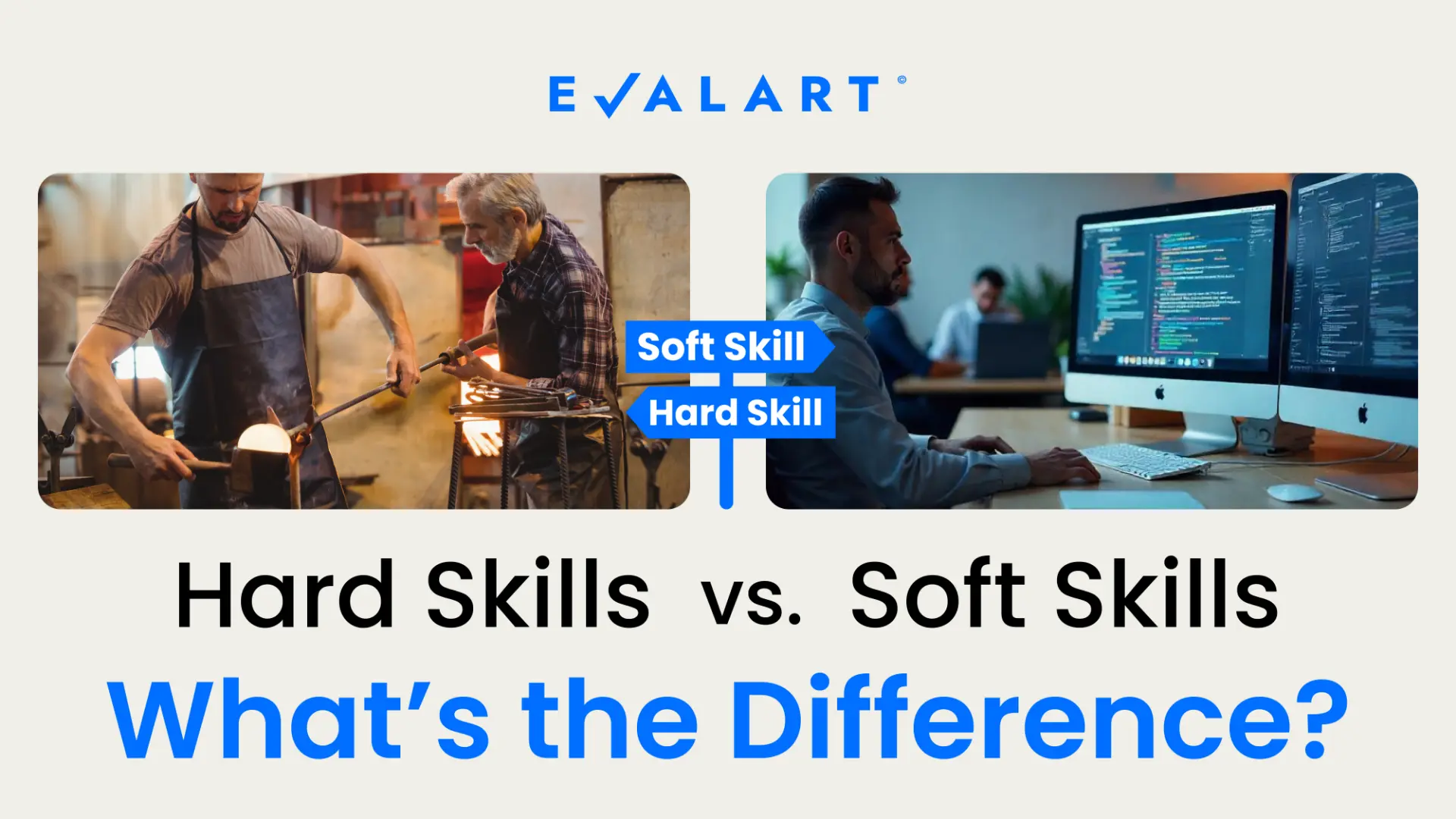
When it comes to hiring, companies often focus on one thing: skills. However, not all skills are equal. While hard skills may get a candidate onto the shortlist, soft skills often determine their success once hired. For HR managers, hiring managers, and business leaders, it is essential to understand the difference between hard skills and soft skills, as well as how to evaluate them during the hiring process.
Defining Hard Skills and Soft Skills
Hard skills: hard skills are job-specific abilities that candidates acquire through education, training, or hands-on experience. They can be considered measurable, teachable competencies, such as coding, spreadsheet management, or proficiency in foreign languages.
Soft skills: soft skills, on the other hand, are personal attributes that influence how effectively candidates interact with other people and approach their work. Examples include teamwork, leadership, problem-solving, and time management. Unlike hard skills, soft skills are harder to measure and are often developed through life experiences and personal interactions.
Why Hard and Soft Skills Matter in the Workplace
For a company to thrive, it cannot rely on technical knowledge alone. Employees must also demonstrate the ability to communicate, collaborate, and adapt to a rapidly changing work environment. Hard skills ensure that employees have the mastery needed to perform specific job roles effectively. Soft skills determine how well they work in teams, resolve conflicts, and contribute to a positive work culture. When combined, these skills create a well-rounded workforce capable of delivering long-term results.
Hard Skills: The Backbone of a CV
When reviewing résumés, hard skills are usually the first thing that catches your attention. Here are some examples across different industries:
Technology: coding in Python or JavaScript, cloud computing expertise.
Finance: budget management, advanced use of Excel.
Marketing: SEO, Google Analytics.
Healthcare: CPR certification, knowledge of medical software.
Hard skills confirm whether a candidate can do the job they are applying for. In technical roles, these skills are often non-negotiable requirements.
How to Assess Hard Skills in Candidates
Assessing hard skills is straightforward with the right tools. For example, Evalart offers customizable skills tests that measure technical competency in areas such as programming, aptitude, and specialized knowledge. Here is how Evalart makes it easier to evaluate hard skills during the hiring process:
Select a test or create your own for specific roles.
Send the test to shortlisted candidates.
Automatically receive the results to quickly identify the most qualified candidates.
These tests not only shorten the time to hire but also reduce the interview workload by screening out up to 80% of candidates. Knowing that a candidate has these skills gives hiring managers the confidence that they are selecting someone capable of meeting the technical requirements of the role.
Soft Skills: The Secret to Successful Teams
While hard skills help employees perform their tasks, soft skills determine how they face challenges, relate to other people, and approach their professional growth. For example, an employee who excels at collaboration can improve team performance, while someone with strong adaptability can thrive in a fast-paced environment. Here are some examples of soft skills that contribute to success in the workplace:
Communication: the ability to express ideas clearly and listen actively.
Adaptability: willingness to learn and adjust to challenges.
Collaboration: the ability to work effectively with other people.
Leadership: the ability to inspire and motivate a team.
Soft skills are especially important in leadership roles, where empathy, communication, and decision-making often carry more weight than technical abilities.
How to Identify Soft Skills During Interviews
Unlike hard skills, soft skills require a more nuanced approach to assessment. Here are some methods that hiring managers can use:
Behavioral interview questions: for example, “Tell me about a time you overcame a conflict in the workplace.”
Role-playing exercises: simulate team scenarios to observe problem-solving and collaboration skills.
Personality assessments: Evalart offers personality tests and psychometric tests to determine how well candidates fit your company culture.
Combining structured interviews with Evalart’s personality tests gives hiring managers a comprehensive understanding of candidates’ potential.
The Path to Successful Hiring
The ideal hire does not depend solely on mastery of hard skills, but on finding the right balance between technical capability and soft skills. While hard skills ensure the work gets done, soft skills foster collaboration, adaptability, and innovation in the workplace.
For companies looking to make better-informed hiring decisions, platforms like Evalart simplify and streamline the process. By offering online evaluations for hard and soft skills, Evalart helps companies identify and recruit highly qualified candidates efficiently and with greater confidence.
Want to improve your hiring process and find the ideal candidates for your team? Try Evalart for free and discover a new way to transform recruitment.
Ready to improve your hiring process?
Start using psychometric and technical tests today, at no cost.